
Dear WuBookers, what will the 2026 tourism trends be? What will travelers focus on most, and how can we best meet their needs? Keeping an eye on hospitality industry trends is essential for understanding how to adjust your offerings and what to prioritize to make your property even more appealing. Let’s explore together what these trends are and what lies ahead this year!
The magic word: experience (the slow kind)
We’ve been hearing about the importance of the experience for quite some time now: a trend that continues this year, becoming a top priority for many tourists. According to the report “The evolving role of experiences in travel” by McKinsey and Skift, 52% of Gen Z is willing to pay substantial sums to ensure a unique and unforgettable vacation memory—even better if it involves personal growth and adventure. This trend is also reflected in the increasingly widespread use of the hashtag “Never stop exploring,” which appears in over 30 million Instagram posts and reflects the desire to discover new places, but also oneself, while traveling.
Alongside this, another phenomenon defines the era we are living in: what Forbes calls “slow-mo travel.” A vacation centered on slowness, with extended stays and a deep exploration of places.
These are the two main trends that will shape demand in the coming months, which—according to McKinsey and Skift—will take shape in 7 micro trends.
1. Souljourn or soft reset
While sleep and rest were already reasons to travel, today a further trend is emerging: travel to recharge the mind and reconnect with one’s inner self. So no more crowded destinations or tight schedules, but relaxing places to reduce stress, far from crowds and the daily hustle and bustle.

2. Puddling
Closely linked to the previous point, puddling embraces a slow travel philosophy, in natural settings with a leisurely pace. Small villages and other unusual, somewhat isolated destinations become the perfect setting for vacations where you can enjoy your free time in an intimate, familiar atmosphere.
3. Hushed hobbies
That is, quiet hobbies. Tranquility guides travel choices even when it comes to activities: birdwatching, fishing, insect watching, foraging share a contemplative dimension ideal for today’s travelers, ready to immerse themselves in places and enjoy moments of pure peace and serenity.
4. Star bathing
Among these is star bathing. Observing the night sky helps you relax and can promote well-being and self-awareness. Especially when done right, with all the necessary comforts.
5. Cowboy core
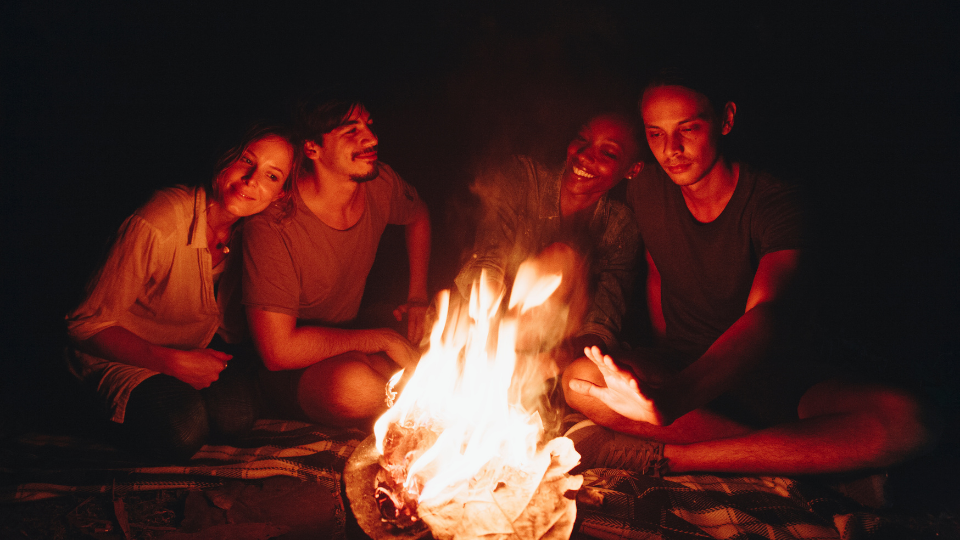
If we combine the starry sky with a bonfire in the open countryside, we’re right in the heart of “cowboy core,” the trend that brings the charm of the West back into vogue. Remote ranches, horseback rides, and rustic cuisine are the perfect ingredients for lovers of this type of experience, which is in high demand this year.
6. Blue and beige therapy
Blue and beige therapy describes the beneficial effects experienced when surrounded by these two colors, as seen in desert and aquatic landscapes. Vast expanses of water or sand—the sea, lakes, and dunes—become a source of deep relaxation and well-being, and thus attractive travel destinations.
7. Grand Gatherings
What do large gatherings have to do with all this? On the surface, nothing, but in reality, a great deal, considering they are designed for getting together with friends, family, and groups of people who want to spend quality time together at a leisurely pace.
Tourism and Hospitality Trends for 2026
What we’ve seen so far are micro-trends that reflect a broader search for authenticity and a slower pace, common to all travelers and all types of properties, including holiday homes and vacation rentals. Looking at the bigger picture, however, we also find other trends that are important to understand in order to interpret customer behavior and offer appropriate solutions:
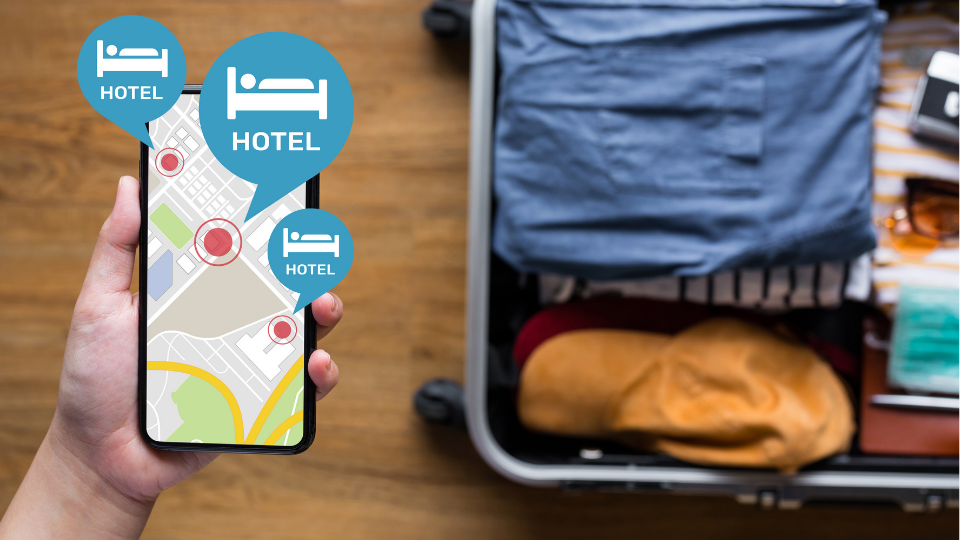
- increasingly relevant and pervasive, artificial intelligence is now widely used by travelers to obtain personalized recommendations and simplified planning. This same simplification is also expected throughout the entire vacation: from automatic translations to self-check-in, tourists expect maximum fluidity and zero complications;
- even the decision-making process requires effort, yet effort is banished from the travel experience. That’s why more and more people are turning to tour operators or seeking all-inclusive packages to avoid the stress of planning;
- ultra-personalization is now a widespread expectation, with travelers no longer satisfied with general services and activities, but wanting an offering increasingly tailored to their specific needs—including emotional ones. So here come retreats for singles, for the newly divorced, or for sports and insect enthusiasts: thematic, yes, but hyper-specific and tailored to individual tastes and moods;
- cultural trips are also highly appreciated: these can be reading retreats or vacations in search of rare books, or even to places inspired by films and novels. Culture is a promising and sought-after angle, especially when it’s niche.
But how do you manage this flood of information? It’s clear that it’s not possible to cater to all these tourism trends at once. However, understanding them is important both to identify potential shifts in demand and the market, and to draw inspiration and renew your offerings in a timely manner. If you haven’t already, it’s time to start: 2026 has already begun!