

Dear WuBookers, today we’re tackling a sensitive yet crucial topic: the Directive on Administrative Cooperation No. 7. Known as DAC7, this European regulation imposes new rules for those operating in the hospitality sector: let’s see what it’s about, why it was introduced, and how it can be managed with the support of WuBook.
DAC7: What the Regulation Says
DAC7 (EU Directive 2021/514) entered into force on July 1, 2021, and has since been transposed by various European countries, which have implemented it while also adding specific provisions. In general, the regulation’s objective is to strengthen administrative cooperation among EU member states to reduce fraud and tax evasion. In a complex landscape like the current one, where web platform operators (often international) generate profits from online commerce, it is increasingly difficult to accurately track revenue and, therefore, apply the correct taxation. This results in a potential discrepancy between actual and reported profits, leading to a loss of tax revenue for the state and disadvantages for traditional businesses.
DAC7 was established precisely to promote greater tax transparency through a series of bureaucratic obligations that also affect the tourism sector. It is important to emphasize that this regulation does not introduce new taxes but defines additional procedures that help local authorities conduct the necessary audits.

Who is affected by DAC7
DAC7 applies to operators of digital platforms that, on behalf of sellers resident in an EU member state, engage in: the rental of real estate, including residential and commercial properties and parking spaces; the sale of goods; the provision of personal services; and the rental of any means of transport, on behalf of sellers resident in an EU member state. This therefore applies to both reservation platforms such as Booking.com or Airbnb, as well as property managers and hoteliers who use their own websites to receive compensation for the activities mentioned above. Consider, for example, a property manager who, on their website, rents out properties belonging to other owners.
The following entities are exempt from the regulation:
- those with fewer than 30 transactions per year;
- those generating less than 2,000 euros per year.
What happens if the Directive is not complied with
Those concerned are required to report the prescribed details to local authorities. State administrations will then forward them to the relevant foreign offices (if necessary) so they can be cross-referenced with the information already in their possession. If an operator fails to meet the deadline or does not submit all the required data, varying penalties apply depending on the nature of the violation. In Italy, for example, fines range from 1,000 to 31,500 euros.

What data is required
Depending on the type of seller—an individual (such as an owner) or a legal entity (a formal business)—and the country in which they are located, the regulations require the collection of different data. In general, the most common information includes: the seller’s name, tax identification numbers, place of residence, and location of business operations with related details (address, nights/days of rental, etc.), IBAN, and financial reporting data, including any expenses incurred and taxes applied.
All of this, combined with the usual paperwork, can be exhausting. That’s why, for several months now, Zak – the PMS by WuBook for property providers – has featured a section dedicated specifically to the documentation required by DAC7: let’s see how it works.
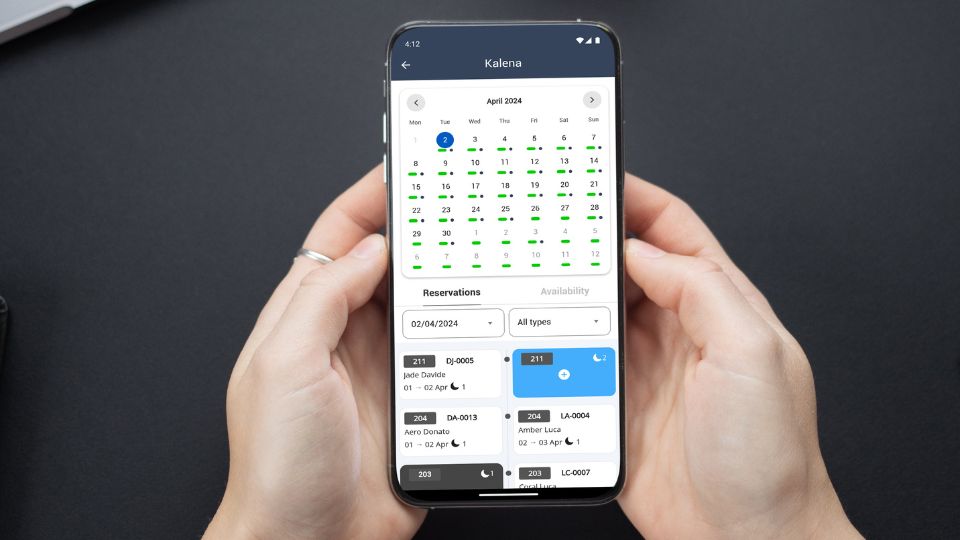
Managing DAC7 with Zak by WuBook
Designed for real estate operators, the Vacation Rental module is the Zak feature that allows you to manage different properties—even those belonging to multiple owners—from a single dashboard, in a convenient and streamlined way. This area includes all the features a property manager needs: from the reservation calendar to cost allocation to commissions owed to OTAs. In addition, the software also allows you to create institutional reports, including those related to the new European regulations. In the dedicated section, you can generate a file containing all the necessary information, such as:
- owner identification data;
- property details (location, identification codes, cadastral information, owner’s share);
- year of rental activity.
Furthermore, you can also include:
- the property manager’s fee;
- OTA commissions;
- extra charges collected;
- accommodation cleaning costs
After creating the report, you can update it later or download it to send it directly to the relevant authorities according to the official procedure. For each document generated, it is indicated whether it has been completed, whether it has undergone any changes, and whether it contains all details in the correct format, so that it is always possible to track the report’s status and take appropriate action.
Owners can also access this area to verify that everything has been filled out correctly.
Tax compliance is rarely a pleasant task to manage, but with Zak, even these tedious tasks can be simplified without the risk of falling behind current regulations.