
Dear WuBookers, among this year’s trends is a rise in travelers interested in luxury and ultra-luxury experiences. Luxury tourism is certainly nothing new, but by 2026, an increase in demand is expected, with some unique characteristics. What exactly are those seeking a 5-star (and higher) experience looking for, and how can properties adapt? Let’s explore this together in this article.
Luxury Tourism, an Evolving Phenomenon
When we think of luxury tourism, we probably imagine top-tier hotels where opulence takes center stage, from the style of the furnishings to the amenities offered. This view isn’t necessarily wrong, but it’s incomplete. Today, in fact, travelers in this category don’t stop at the luxurious appearance of things; they seek extreme exclusivity, privacy, and personalization along with maximum comfort and relaxation. In other words, luxury travel focuses as much on the property itself as on the experience and services it provides. Certainly, we’re talking about people with fairly high spending power who are always very attentive to the material value of things, but in recent times their behavior has been influenced by various factors, including those related to climate change.
What Are Luxury Travelers Looking For?
So, what are luxury travelers really looking for? We cross-referenced trend data from the Virtuoso Luxe Report 2026 (which surveyed over 2,400 travel consultants worldwide) with analyses from the World Luxury Chamber of Commerce (WLCC), an organization dedicated to global luxury operators. The result is that today’s luxury tourism is based on six key principles.
1. Remote destinations away from the crowds
The top priority for luxury travelers is escaping the crowds. In fact, more and more people are seeking out remote, unspoiled places where they can spend their time in complete tranquility, without having to share spaces and amenities with other tourists. This choice favors destinations and travel options that are more sustainable for the environment, while interest is growing in initiatives and businesses that support local communities and economies (so-called regenerative tourism).
On the other hand, the choice of destinations off the beaten path is also driven by climate considerations, with an increasing number of people opting for cooler locations or times of year typically considered off-season.
2. Exclusive Access and Ultra-Luxury
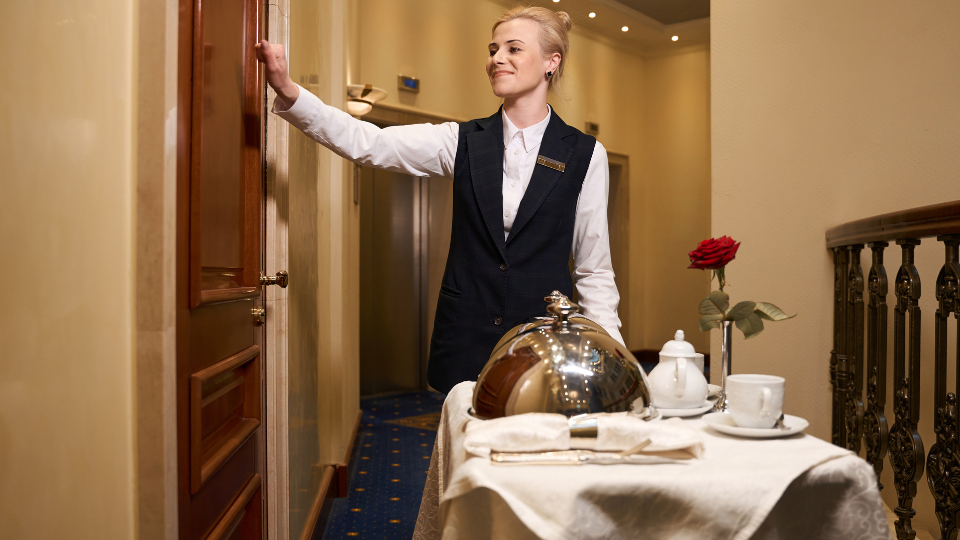
What cannot be overlooked, however, is exclusive access to services and the personalization of the experience, tailored to the guest and their preferences. Private clubs closed to the general public and dedicated concierge services are also highly valued. Completely redefined compared to a few years ago, the “all-inclusive” concept takes on a much broader and more sophisticated meaning when applied to this segment.
An all-inclusive board must, in fact, encompass every aspect of the vacation: from private transfers to dinners at Michelin-starred restaurants, right down to a team of chefs, wellness experts, and guides entirely at the guest’s disposal.

3. Holistic and Profound Wellness
Wellness is no longer a byproduct of travel, but its primary purpose. Well-being is understood not only as comfort and relaxation, but also as mental health, serenity, detachment from all possible sources of stress, and greater connection with oneself. This is why retreats and programs focused on longevity, psychophysical balance, and mind-body harmony, featuring meditation, yoga, and mindfulness, as well as digital detox and personal regeneration programs, are preferred.
Refreshment must be total and profound, and destinations that foster this are particularly appreciated.
4. True Cultural Immersion
Speaking of destinations, according to statistics, travel inspiration still comes largely from social media platforms like Instagram and TikTok, but above all from movies and TV series. Productions like “White Lotus,” a series set in luxury hotels around the world, continue to inspire many people seeking adventures with high aesthetic appeal. However, once they arrive, they let themselves be captivated by the place and immerse themselves in its history and its culinary, artistic, and cultural traditions. Thus, a leisurely experience often transforms into an authentic discovery of local customs, realities, and crafts.
5. From FOMO to Slow-Mo
While FOMO (Fear of Missing Out) is one of the phenomena fueling luxury tourism, especially among Millennials and Gen Z, once travelers arrive at their destination, the pace changes drastically. The frantic search for events and things to do is replaced by a much slower pace (slow-mo) and a more intimate experience. This translates, for example, into longer stays, cozier accommodations, and extended breaks during outdoor activities, allowing travelers to experience every moment fully and mindfully.
6. Family or Women-Only Trips (solo)
As for travel types, there are primarily two prevailing trends:
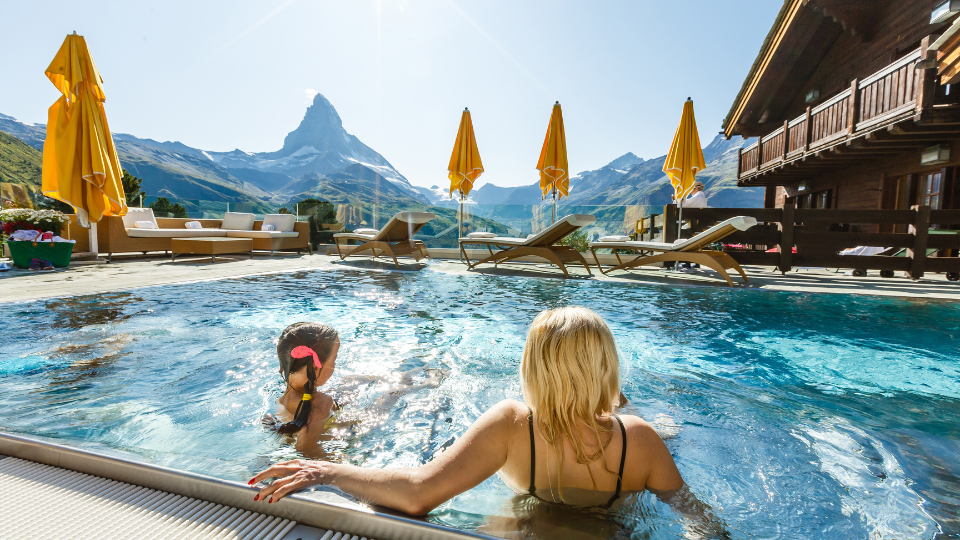
- trips motivated by special occasions and family celebrations, such as anniversaries and multigenerational reunions (the so-called SMERF groups). Among the most common requests in this segment are private yachts and secluded estates that can guarantee total privacy and the pleasure of a true escape from reality;
- trips for women-only groups and solo travelers: women traveling alone are, in fact, driving one of the most influential behavioral shifts in the luxury sector. Their priorities? Independence, safety, discretion, and deep rejuvenation. These factors are driving leading brands to rethink service design with a focus on anticipation and empowerment.
The most sought-after destinations in luxury tourism
Forecasts for 2026 indicate that Italy ranks among the top preferred destinations for luxury travelers, whether for leisure vacations, honeymoons, or solo trips. Next come Japan, Greece, France, and Croatia. Among the rising destinations, we find primarily colder countries, such as Iceland, Antarctica, and Norway, choices driven mainly by the desire to escape extreme heat and excessive crowds. Egypt is also climbing the rankings thanks to the new Grand Egyptian Museum and private Nile cruises.
Vietnam, on the other hand, is chosen as an alternative to classic Asian tours. Finally, destinations such as Ras Al Khaimah (United Arab Emirates) and Riyadh (Saudi Arabia) are emerging for their high-end culinary offerings and new ultra-luxury resorts.
Looking at specific cities, the top 5 are: Paris, Tokyo, Barcelona, Kyoto, and Rome.
But beyond these broad trends, what matters is that even the most seemingly obvious and well-established definitions, such as “luxury tourism”, can undergo changes and updates: staying “on top of things” is therefore essential to reach the right audience and keep your offerings up to date.