

Dear WuBookers, for years we thought that all-inclusive tourism was the exclusive domain of resorts and chains, incompatible with smaller, independent establishments or with today’s travelers’ desire for personalization. Well, the time has come to debunk this myth because the all-inclusive formula has evolved and today is able to attract much broader segments of the public than in the past.
What Is Meant by All-Inclusive Tourism and What Are the Current Statistics?
“All-inclusive” refers to a specific type of travel arrangement that includes not only the reservation of a room or lodging but also meals, ancillary services, and any experiences that complement the stay. Until recently, this was a type of tourism typical only of large hotels or cruises, appealing mainly to older travelers or those with a certain level of spending power. Today, however, even smaller properties can benefit from this model, which, according to the latest trends, is very popular among younger customers for various reasons.
Some interesting statistics
A 2025 study conducted by Skift on a sample of 2,206 U.S. and Canadian consumers revealed that 33% of Millennials and 42% of Gen Z travelers spent at least one vacation at an all-inclusive resort in the past year. This trend is also confirmed by general preferences, with older generations less inclined to even consider this type of vacation.
Among the reasons driving today’s young people to choose all-inclusive packages is the perception of value: for 75% of Millennials and 68% of Gen Z, this option offers a better experience than what they could get by booking every single “part” of their vacation on their own.
According to a recent survey by Club Med in collaboration with SWG on Italian travelers, in fact,
all-inclusive vacations meet the expectations of different age groups: Baby Boomers particularly appreciate the aspects of safety and reliability; the same holds true for Gen X, who are also drawn to the promise of quality and the ease of planning. Safety and quality are also key factors for Millennials, while Gen Z is drawn to the convenience and ease of managing an exotic vacation in faraway countries.

The Criteria of the New All-Inclusive Tourism
The concept of the all-inclusive vacation has evolved over time: no longer a standardized, status-symbol trip for everyone, but a solution centered on well-being and tailored offerings, very similar to the concept of luxury tourism that has recently gained traction. But what exactly are travelers in this segment looking for, and how can hoteliers and property managers meet their needs? By cross-referencing the results of the two studies, several key areas emerge that need to be addressed to build a truly effective all-inclusive offering.
Clarity of Value and Cost Control
All-inclusive travel has made a comeback partly because it makes the cost of the vacation predictable: you pay in advance, and there are no surprises upon arrival at the property. Clear, cost-transparent packages are typical of this board and are also one of the strongest sales drivers for all target audiences.
What properties can do: clearly define what is included and what isn’t, communicate this simply on their website and sales channels, and eliminate hidden extra costs. A package that can be understood in just a few seconds is a competitive advantage that can make all the difference in terms of appeal and reservations.
Peace of Mind and Safety
At the heart of the all-inclusive philosophy is the carefree trip. For today’s travelers, in fact, safety and peace of mind define a premium vacation. Conversely, high costs, complex planning, and concerns for personal safety are daunting barriers, especially when it comes to distant destinations. The all-inclusive model perfectly addresses these fears through constant assistance, guaranteed quality services, and a seamless experience.
What properties can do: reduce friction points during the trip (transfers, check-in, activity and restaurant reservations), offer clear and responsive customer service throughout the stay, and explicitly communicate the safety standards in place.

Personalization and Customization
All-inclusive packages are increasingly shifting from a focus on quantity to an emphasis on quality. Customization is a key value for most customers, who seek real-time advice during their stay, private experiences with local experts, and itineraries tailored to their preferences. Personalization is now a basic expectation in all travel packages, not a separate extra to be granted.
What properties can do: make every stay tailor-made, for example by moving away from buffets and standard menus toward more flexible options (à la carte menus, a choice among multiple options). In this regard, it’s advisable to gather guests’ preferences as early as the reservation stage and use their stay data to suggest activities and services designed specifically for them.
Well-being in a Holistic Sense
Well-being, another concept very dear to modern travelers, doesn’t necessarily mean the gym or yoga. It’s true that access to well-being experiences is important when choosing a property, but what matters most to respondents is relaxation and quality sleep (it’s no coincidence that a segment linked specifically to sleep tourism has recently emerged). The concept of well-being also includes mindfulness, digital detox, healthy and varied cuisine, and quality time with loved ones.
What properties can do: focus on basic services (room comfort, quiet, sleep quality, a balanced culinary offering) before adding specialized programs and, when possible, create spaces and activities that encourage shared time.
Luxury as an Experience
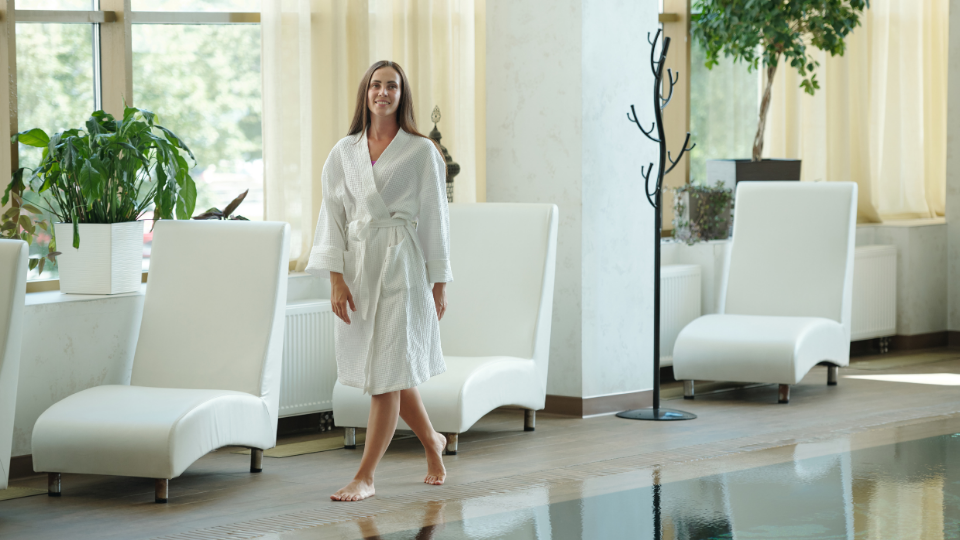
The concept of luxury has also changed, becoming much more exclusive and intangible: time, comfort, attention to detail, and the absence of stress matter more than star ratings and square meters. Among young people, luxury is also associated with design and sustainability.
The all-inclusive formula, once perceived as inauthentic, is now being reevaluated on a higher level, with advanced formats based on personalized experiences, sustainable design, and local products.
What properties can do: focus on quality and authenticity rather than abundance; highlight local products and suppliers; and adopt responsible practices that prioritize overall harmony, even in the furnishings.
The evolution of all-inclusive is an opportunity
What we’ve been witnessing in recent years is therefore a shift in mindset that translates into new opportunities for those working in the sector. We’re moving away from mass-market all-inclusive, based on excess and low prices (the domain of large chains and resorts), toward a sophisticated offering characterized by clarity, tranquility, and attention to detail, accessible to everyone. Even independent properties, in fact, can adapt to attract this type of traveler without losing their identity: the key is to simplify the guest’s experience and make the value of what’s offered clear, expanding the offering where necessary. As we’ve seen so far, the all-inclusive tourism market is expanding to include young families and is successfully fostering strong loyalty among hotel guests.
It is therefore likely that these travelers are receptive to services such as kids’ clubs and loyalty programs that encourage them to return to enjoy a vacation dedicated to pure well-being.
If you haven’t already, it’s worth starting to think about this.